









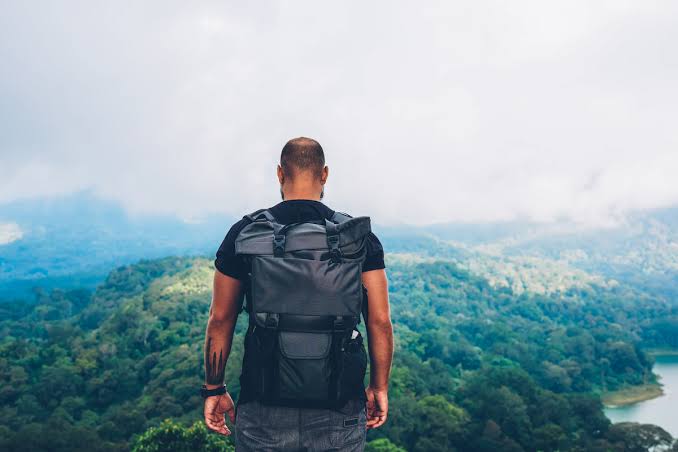
A travel backpack has to look well when it is full. A bag may look neat on a shelf and then become uncomfortable once you add a laptop, charger, bottle, and a change of clothes. For travel, access, strap comfort and sensible organisation matter more than a long list of features.
Quick Style Reference
| Option | Good For | Try It With / Check |
| Cabin backpack | Short trips | Easy access |
| Laptop travel bag | Work travel | Device protection |
| Clamshell backpack | Organised packing | Suitcase-style opening |
| Daypack | Sightseeing | Light essentials |
Choose Around Your Usual Trip Length
When comparing American Tourister Backpacks, think about whether the bag is for an overnight stay, a weekend, or only cabin essentials. Bigger American Tourister backpacks are not automatically more useful. If it encourages overpacking, it can become heavy before you have even left home.
Test the Straps With Real Weight
Add books or similar weight if the store allows it. Shoulder straps should sit flat and adjust easily, while the back panel should not create a hard pressure point. A sternum strap can help stabilise heavier loads, especially when walking through stations or airports.
Compare Organisation Styles, Not Just Brands
Skybags Backpacks might use a different layout for laptop storage, clothes and small items. Decide whether you prefer one open compartment or several sections. The best design of Skybags Backpacks is the one that matches how you unpack and repack, not the one with the most zips.
Quick Access Deserves Its Own Pocket
Passport, phone, earphones, and boarding passes are the things you reach for repeatedly. A small secure pocket near the top or back can save you from opening the main compartment every time. Avoid putting important items in an outer pocket that is too easy to access in a crowd.
Measure Before Assuming It Is Cabin-Friendly
Airline cabin rules vary, and a soft bag can exceed dimensions once packed. Check the actual measurements and remember that stuffed exterior pockets count. If cabin use is essential, leave a little room rather than packing the bag to its maximum shape.
Do a Door-to-Gate Trial Pack
Pack the backpack as if you were leaving for the airport: laptop, charger, bottle, documents, headphones, and a light layer. Wear it while walking around the house and go up a flight of stairs if you can. Then try to reach your passport pocket without putting the bag on the floor. This small rehearsal shows whether the layout is actually convenient under pressure. It also reveals whether the bag becomes too heavy once filled. A travel backpack should make movement and access easier, not turn every stop into repacking.
To Wrap Up
Travel backpacks are most useful when they fit the trip, the load, and your packing habits. Test straps with weight, choose an organisation style you can use quickly, and check dimensions before flying. A bag that opens easily and stays comfortable while full will do more for a trip than extra features you never need.
FAQs
1. What fails first on a travel bag?
The zip, almost always, usually when the bag is overpacked. A heavier-gauge zip with a solid pull is worth prioritising over any other feature.
2. Backpack or wheeled bag?
Backpack for trips involving trains, buses, and unpaved streets. Wheels are easier on smooth airport floors and struggle everywhere else.
3. How do I know what size travel backpack is best for me?
Compare the bag’s actual dimensions and weight with your airline’s cabin allowance. Don’t just go by labels such as “cabin size,” especially if the backpack has an expandable section.
4. Do I really need rain covers for my travel packs?
They come in handy if you are traveling in the monsoon or visiting places where rain is sudden. A rain cover will be more protective than relying on a bag that says it’s water-resistant.
5. Would a smaller travel bag be better?
Not necessarily. A lighter bag gives you more room within an airline’s weight limit, but it shouldn’t come at the expense of strong zips, handles, wheels, or stitching.